Zipper Baseball Dog Coat: Easy On-Off Warmth for Smalls
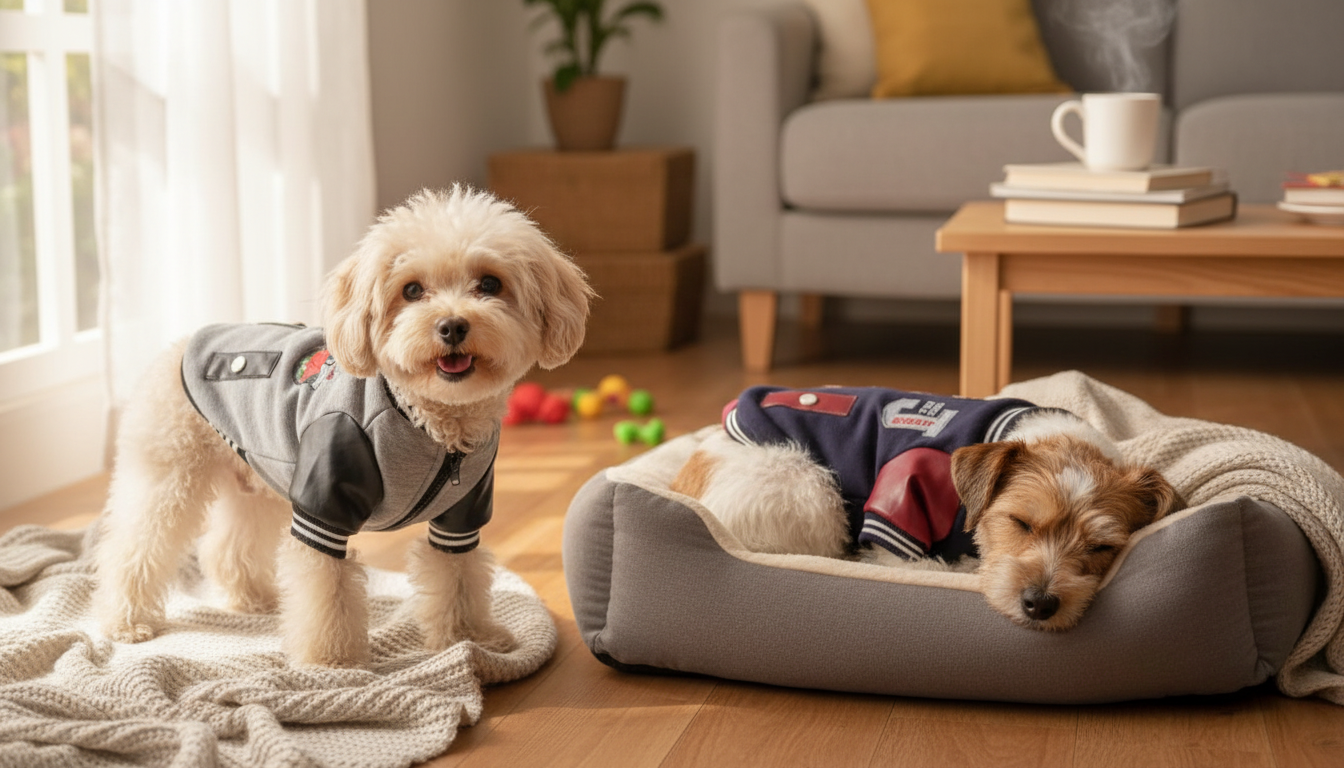
Zipper Baseball Coat for Small Dogs: Warmth, Comfort, and Easy On-Off
A zip-up baseball-style coat can be a practical layer for small dogs during chilly walks, quick potty breaks, and cool indoor spaces. The right fit keeps movement easy, helps retain warmth without overheating, and makes dressing faster—especially for dogs that dislike pull-over clothing. A sporty silhouette paired with a front zipper is also handy for travel days, when you want something that goes on at the door and comes off just as quickly once you’re back inside. For more guidance, see SMASYS Safety High Visibility Oxford Double Thick Reflective ….
What Makes a Baseball-Style Dog Coat Different
Baseball-inspired dog coats borrow the clean lines of a classic jacket, which can be a plus for small breeds that need warmth without bulky fabric bunching around the legs. For further reading, see Doggie Life Jacket Tests – BoatUS Foundation.
- Sporty jacket silhouette that typically sits neatly on the shoulders and back for a clean fit
- Zipper closure can reduce tugging around the head and ears compared with pull-over styles
- Often designed for quick transitions: on at the door, off after the walk
- Works well as a light-to-medium layer for mild cold rather than deep-freeze conditions
For many small dogs, that “jacket-like” structure helps the coat stay in place when they trot, turn, or stop to sniff—without rotating around the torso.
Benefits of a Zipper Closure for Small Dogs
Small dogs can be extra sensitive about getting dressed, especially if clothing has to pass over the head. A zipper front changes the experience by letting you guide the coat into place with less handling around the face.
- Faster dressing for wiggly dogs and quicker removal when coming inside
- More controlled fit: zip to a comfortable position rather than forcing fabric over the body
- Helps avoid snagging around the neck for dogs sensitive to handling
- Tip: keep fur clear of the zipper track and zip slowly to prevent pinching
If your dog has longer hair, take a moment to smooth the coat’s front panels flat before zipping. Less tension along the zipper line usually means fewer snags and a more comfortable wear.
Sizing and Fit: Getting It Right the First Time
Fit is what separates a “cute coat” from one your dog will actually tolerate. The most common issues come from choosing by weight alone instead of measurements.
- Measure chest girth at the widest point; this is usually the most important measurement for coats
- Measure back length from the base of the neck to the base of the tail; avoid coats that extend into tail movement
- Check neck opening comfort—snug enough to reduce drafts without pressing the throat
- Allow full shoulder range of motion: the coat should not ride up when the dog walks
- If between sizes, prioritize chest fit and adjust with layering (thin shirt) rather than a tight coat
Quick fit check before the first walk
| Fit Area | Good Fit Looks Like | Adjust If You Notice |
|---|---|---|
| Chest | Can slide two fingers under the coat without strain | Gaping at sides (too big) or tight breathing/limited stride (too small) |
| Back length | Ends near the tail base without covering it | Coat shifts backward or presses into tail set |
| Shoulders | Dog can trot and turn without pulling fabric forward | Coat rides up toward the neck or restricts front legs |
| Zipper area | Zips smoothly with fur kept clear | Snagging fur or puckering fabric along the zipper line |
Comfort and Safety Details to Look For
Beyond measurements, small design choices can make a coat feel “barely there” instead of bothersome. When you’re comparing options, these details tend to matter the most for day-to-day use:
- Smooth lining or soft inner surface to reduce rubbing on short-coated breeds
- Breathable construction to avoid trapping heat during active play
- Secure stitching around the zipper to prevent fraying over time
- Visibility: brighter colors or reflective accents can help in low light
- Harness and leash compatibility: confirm whether the coat design accommodates a harness underneath
For cold-weather best practices and safety reminders (like limiting exposure time and watching for signs of discomfort), see guidance from the American Veterinary Medical Association and the ASPCA.
When a Coat Helps (and When It Doesn’t)
Not every dog needs outerwear, but small breeds often benefit because they have less body mass to retain heat and can chill quickly on windy days.
Product Spotlight: Zipper Baseball Coat for Small Dogs
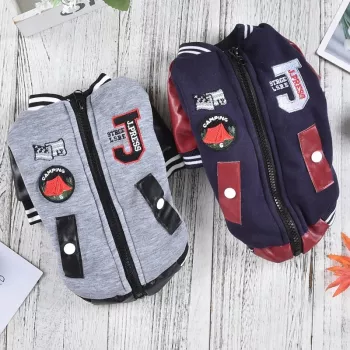
If quick on-off is the priority, Zipper Baseball Coat for Small Dogs is a straightforward, everyday option. The zip-up front helps streamline dressing, while the baseball-jacket look keeps it casual enough for routine walks, errands, and travel days.
At-a-glance details
| Item | Price | Availability | Link |
|---|---|---|---|
| Zipper Baseball Coat for Small Dogs | 11.51 USD | In stock | View product |
Optional: Coordinated Everyday Style for Pet Parents
- Off-White Cotton Script Skate Hoodie for a warm layer during brisk morning walks
- Jacquemus Le Chiquito Moyen Leather Handbag to keep treats, waste bags, and a compact leash organizer in one spot
Care Tips to Keep the Coat Looking Sharp
FAQ
How tight should a dog coat fit?
Aim for a snug-but-not-tight fit: two fingers should slide comfortably under the coat at the chest. Your dog should be able to walk, sit, and turn without the coat riding up or restricting the front legs.
Is a zipper safe for dogs with longer fur?
Yes, if used carefully. Keep fur brushed and clear of the zipper track, zip slowly, and stop if the fabric puckers or fur catches; the right size also reduces tension along the zipper line.
Can my dog wear a coat indoors?
Only when it’s needed for comfort, such as in a drafty room or for seniors that chill easily. Remove it if your dog pants, seems restless, or seeks cooler surfaces, and keep the coat clean and dry.







Leave a comment