Cat Enrichment Play Set: Teaser Wand + Catnip Pastries
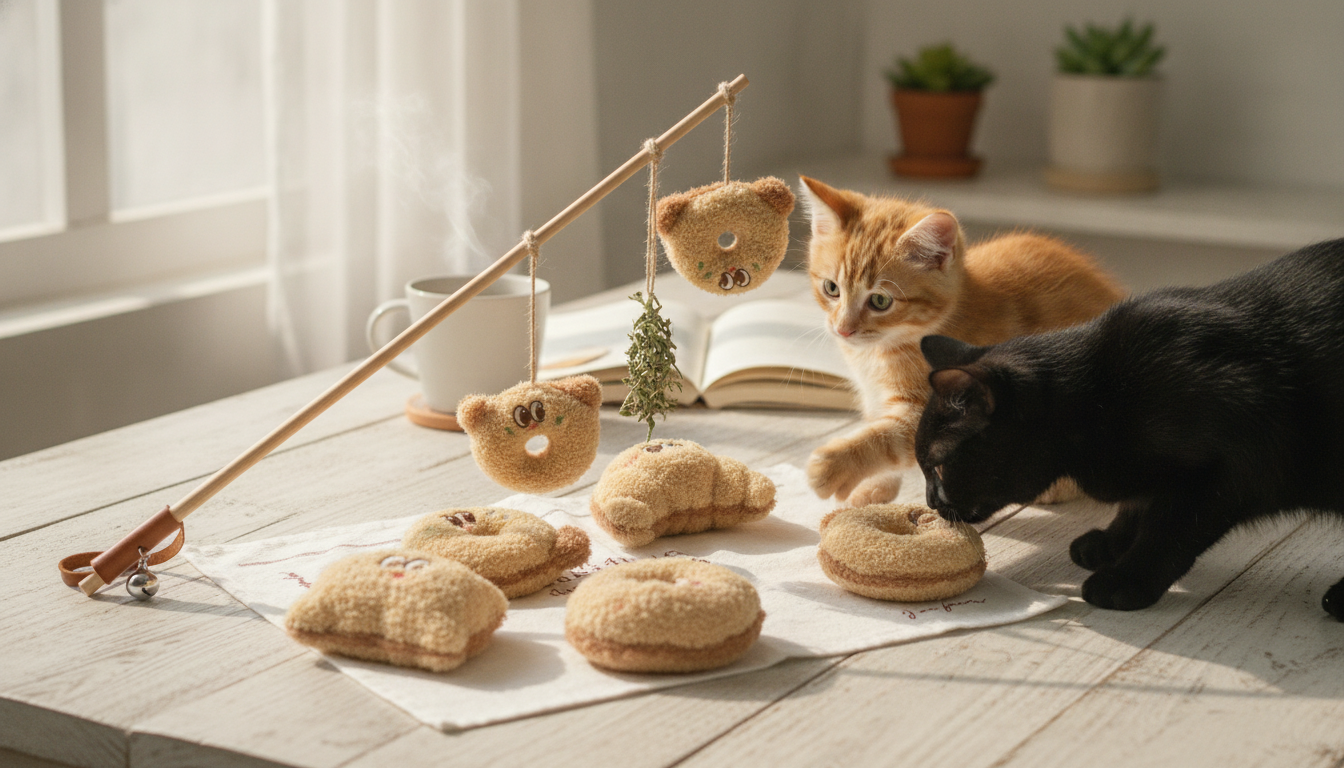
Interactive Catnip Teaser Wand & Pastry Toy Set
Playtime feels more rewarding when it taps into a cat’s natural hunting routine—stalk, chase, pounce, and “catch.” This set pairs a teaser wand for active, guided play with pastry-shaped catnip toys for solo batting and carrying. It’s a simple way to add variety to daily enrichment, help burn off extra energy, and turn short sessions into a satisfying routine for indoor cats. For more guidance, see Reviews by Mike Russo – The Interactive Fiction Database.
What makes this set fun for cats
Cats tend to stay engaged longer when play looks and feels like prey. A wand toy brings movement and unpredictability, while small catnip toys add “grab-and-go” fun when your cat wants to play independently. For further reading, see words-333333 – cs.Princeton.
- Two play styles in one: a wand toy encourages interactive chasing, while the pastry toys support independent play between sessions.
- Prey-like movement: the wand lets the toy dart, pause, and “escape,” which better matches a cat’s instinct than static toys.
- Catnip appeal: the pastry toys can increase interest for cats that respond to catnip, especially when rotated to keep the scent “fresh.”
- Great for indoor enrichment: structured play can reduce boredom-related behaviors by giving energy an appropriate outlet.
- Useful for bonding: short, consistent sessions help timid or newly adopted cats build confidence through predictable play.
At-a-glance overview
| Feature | What it means for playtime |
|---|---|
| Teaser wand | Guided chase and pounce sessions; helps direct movement and keep play engaging |
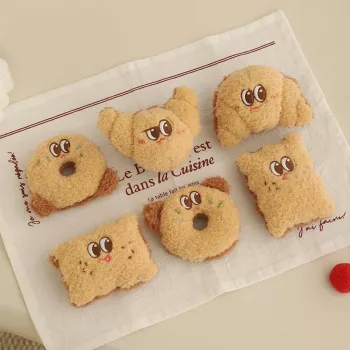
| Pastry-shaped catnip toys | Solo batting, carrying, bunny-kicking; a change of pace from wand play |
| Interactive + independent options | Cats get stimulation with a person present and something to do when alone |
| Budget-friendly set | An easy way to add variety without buying multiple separate toys |
How to use it for a satisfying play routine
The most effective play routine is short, repeatable, and ends in success. Think of it as a mini “hunt” that finishes with a catch—then a snack or meal to help your cat settle afterward.
- Start with short bursts: 5–10 minutes is often enough to satisfy the chase cycle without overstimulating the cat.
- Make the wand act like prey: slow creep, quick dart, then pause; allow occasional “catches” so the cat doesn’t get frustrated.
- End with a win: let the cat catch the toy at the end, then offer a small treat or meal to complete the hunt sequence.
- Rotate the pastry toys: keep one or two out at a time and store the rest to maintain novelty and catnip potency.
- Use different locations: play down a hallway, around a chair, or over a rug edge so the cat can stalk and pounce with cover.
- Match intensity to the cat: kittens and high-energy cats may want multiple sessions per day; seniors may prefer slower movement and shorter sessions.
For a simple schedule, aim for one session in the morning or after work, then a second quick “micro-hunt” in the evening. Many households notice that a consistent pre-meal play session helps channel energy earlier, making nighttime calmer.
Safety and supervision tips
Interactive toys work best when used as intended: supervised, engaging, and put away when the session ends. A few habits can keep play both fun and low-risk.
- Supervise wand play: teaser wands are designed for interactive sessions; store out of reach afterward to prevent chewing on strings or attachments.
- Inspect toys regularly: replace toys that have loose parts, torn fabric, or exposed filling to reduce ingestion risk.
- Catnip considerations: some cats become very energetic; if play becomes overly rough, remove the catnip toy and reintroduce later for shorter periods.
- Keep play cat-friendly: avoid waving the wand directly in the cat’s face; encourage jumping only if the cat is healthy and has safe landing space.
- Multi-cat homes: play with each cat individually when possible to prevent competition or guarding of toys.
If your cat tends to “attack” hands during play, switch to longer wand movements that keep distance and redirect pouncing onto the toy. Calm, consistent rules (toy for biting, not skin) can make sessions safer for everyone.
Who this set tends to suit best
- Indoor cats needing more stimulation: a wand toy helps replicate the chase-and-capture pattern that outdoor cats often get naturally.
- Cats that like novelty: a set with different toy types helps keep interest up over time.
- Busy households: pastry toys provide something to bat and chase when humans are occupied, while wand sessions can be a quick daily ritual.
- Shy or anxious cats: predictable, gentle play can build confidence; start slowly and allow the cat to approach at their own pace.
- Cats that respond to catnip: catnip can help reluctant players show interest, though sensitivity varies by cat and age.
Getting the most value from a low-cost play set
Featured in-stock picks
- Interactive Catnip Teaser Wand & Pastry Toy Set ($9.67)
- Off-White Cotton Script Skate Hoodie ($559.18)
FAQ
How long should a cat play with a teaser wand each day?
Most cats do well with 5–15 minute sessions once or twice daily, depending on age and energy level. End by letting your cat “catch” the toy, then offer a small treat or meal to complete the hunt cycle.
Is catnip safe for cats, and what if my cat doesn’t react to it?
Catnip is generally safe in moderation, but not every cat responds due to genetics and age (many kittens don’t react yet). If there’s no reaction, use the wand play for engagement and rotate toys to keep novelty high.
Should wand toys be left out for cats to use alone?
Wand toys are best used with supervision and then put away to reduce the risk of chewing strings or attachments. If the pastry toys are intact and in good condition, they’re typically the better choice for independent play.









Leave a comment