Off-White Hoodie Fit Guide: True to Size or Oversized?
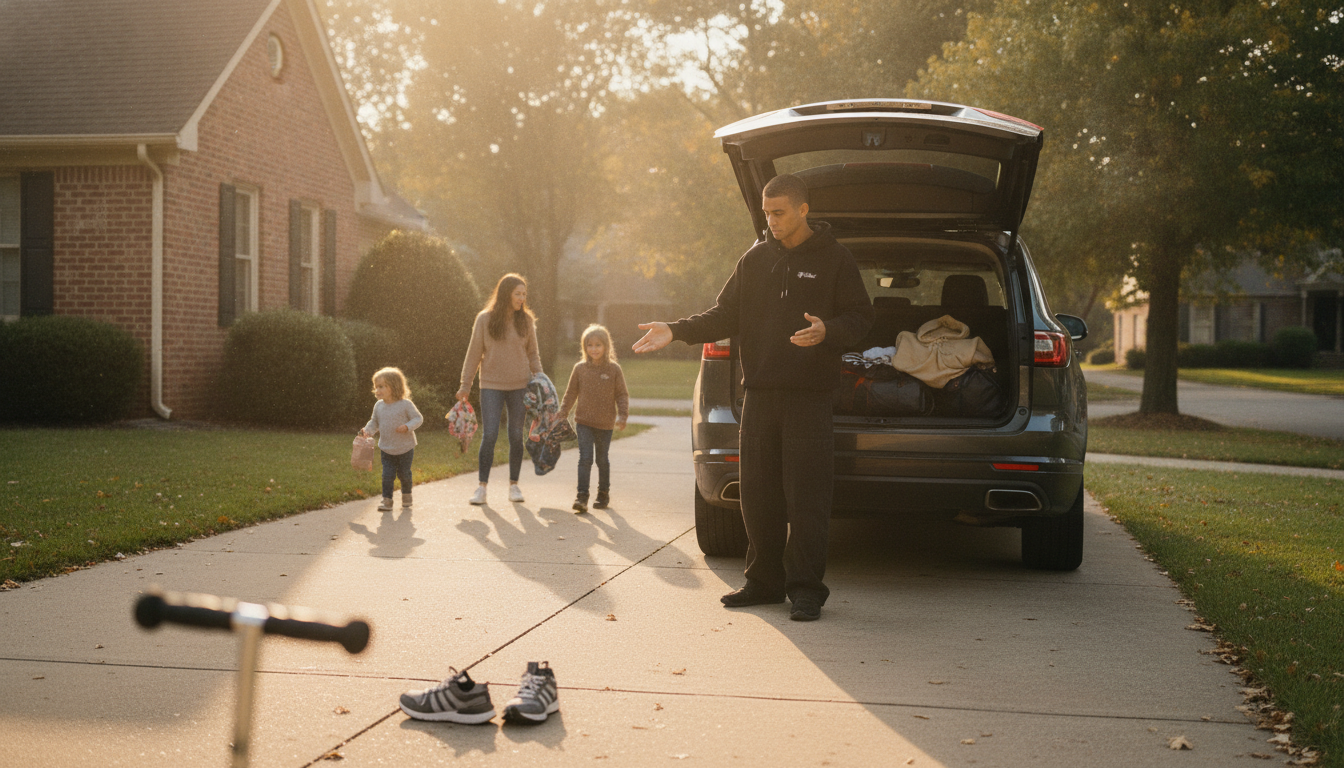
How does the off-white hoodie fit?
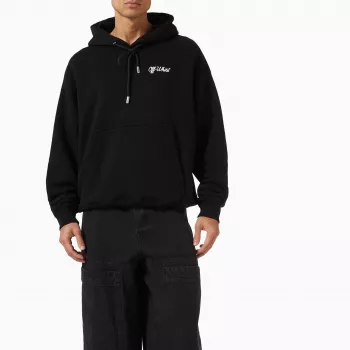
An off-white hoodie typically fits true to size through the shoulders and chest, with a relaxed silhouette that’s meant to layer easily. Most people can order their usual size for an everyday fit that isn’t tight, especially if they plan to wear it over a tee or light long sleeve.
The fit can feel slightly roomier than a slim sweatshirt because hoodies often use heavier fleece and include a kangaroo pocket, both of which add structure and space at the midsection. If the hoodie is designed with dropped shoulders, expect the sleeves to start lower on the arm and the body to drape a bit more—comfortable, but not overly baggy.
What to expect by size preference
For a classic fit: Choose your normal size. It should sit comfortably at the shoulders, allow full range of motion, and fall to around the hip with a little extra room in the torso.
For a cleaner, closer fit: Consider sizing down one if you’re between sizes or prefer less volume in the body and sleeves. This works best if the hoodie is already labeled “oversized” or “relaxed.”
For an oversized look: Size up one for extra length and a looser, streetwear-style drape. This can be ideal for layering under a jacket or wearing with wider-leg bottoms.
Details that change the fit
Shrink factor: Cotton-heavy hoodies can tighten slightly after washing, especially in length. If you’re concerned, air-dry or tumble dry low to help maintain the original shape.
Ribbed hem and cuffs: A snug rib knit can make the hoodie “blouse” a bit at the waist and wrists, which affects how roomy it feels even if the chest measurement is true to size.
Fabric weight: Heavier fleece tends to sit more structured and may feel less stretchy, while lighter French terry usually feels more flexible and drapey.
For a more detailed breakdown and sizing tips, visit the full guide here: https://liliana.top/how-does-the-off-hoodie-fit/.
FAQ
Should I size up or down for an oversized hoodie look?
Size up one for a noticeably oversized fit with more length and wider sleeves. If the hoodie is already labeled “oversized,” stick to your usual size to avoid an excessively bulky shape.








Leave a comment