Are Busy Boards Educational? Skills, Benefits, Ages
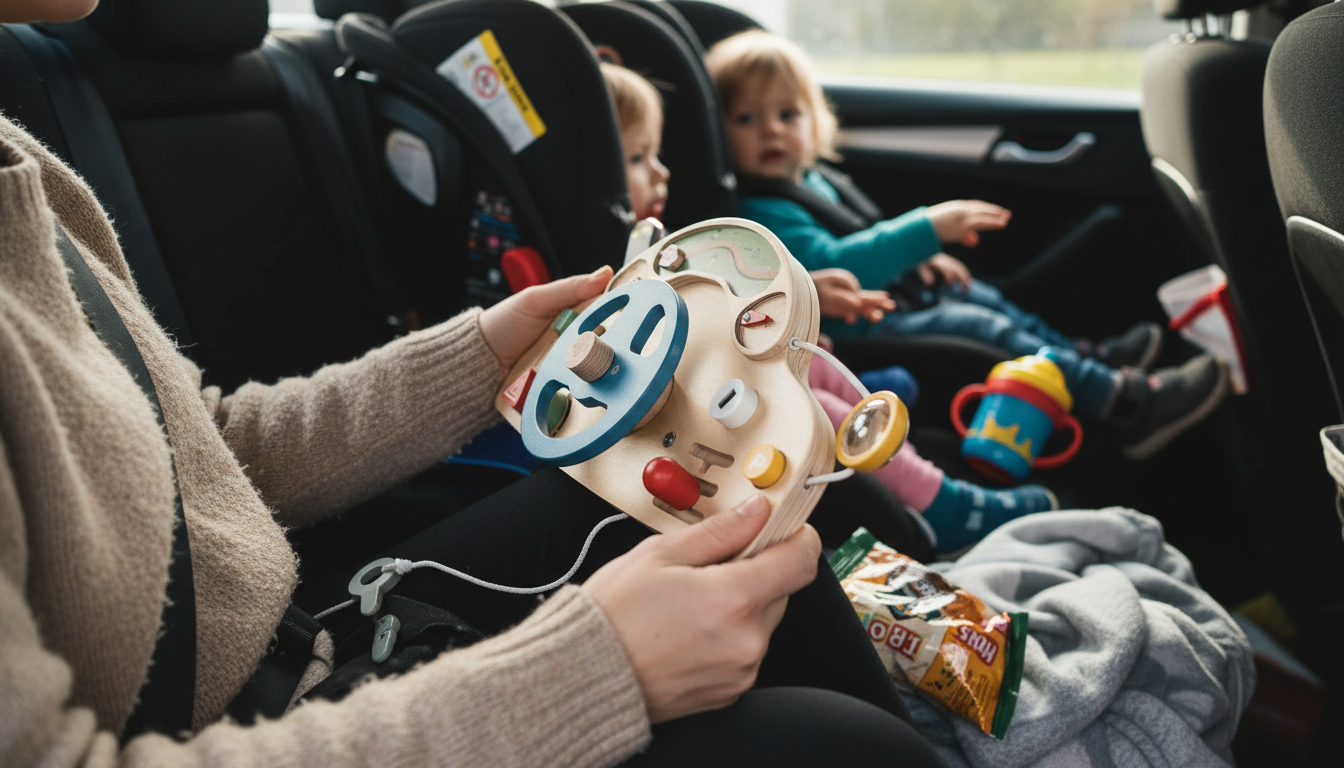
Can busy boards be educational?
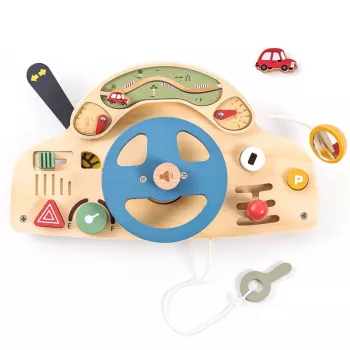
Yes—busy boards can be educational when they’re set up with age-appropriate tasks and used with light guidance. What looks like simple play (buckling a strap, sliding a latch, turning a knob, or matching shapes) can build real skills that support early learning and independence.
How busy boards support learning
Busy boards encourage hands-on exploration, which helps children connect actions with outcomes. Repeating small challenges strengthens attention and persistence, while manipulating different parts trains the hands and fingers for more advanced tasks later.
Fine motor development
Activities like zippers, buttons, laces, and switches develop finger strength and coordination. These are the same foundational movements used for writing, cutting with scissors, and self-care skills such as getting dressed.
Problem-solving and cause-and-effect
Many busy board elements require a sequence: lift, slide, rotate, then open. Children learn to test ideas, adjust their approach, and notice patterns—core problem-solving habits that carry over into everyday situations.
Early language and cognitive skills
Busy boards can also support vocabulary and concepts when adults label actions (“turn,” “lock,” “open”), describe textures and shapes, or count pieces. Boards that include letters, numbers, or color matching can introduce early academic concepts without feeling like a lesson.
What makes a busy board truly educational
The most educational busy boards match a child’s developmental stage: challenging enough to spark interest, but not so hard that frustration takes over. Variety matters too—mixing sensory textures with practical fasteners and simple puzzles keeps learning broad. Safety is part of learning as well, so pieces should be securely attached, smooth-edged, and sized to avoid choking hazards.
Want examples and age-by-age ideas?
For more detail on learning benefits, what to include, and how to choose the right board, visit https://liliana.top/can-busy-boards-be-educational/.
FAQ
What age is best for a busy board?
Many children can start with simple, closely supervised boards around 12–18 months, then progress to more complex latches, buckles, and puzzles as their coordination improves. The best age depends on the specific activities and small-part safety.







Leave a comment