Striped Cardigan Sweater for Small Dogs: Fit & Warmth
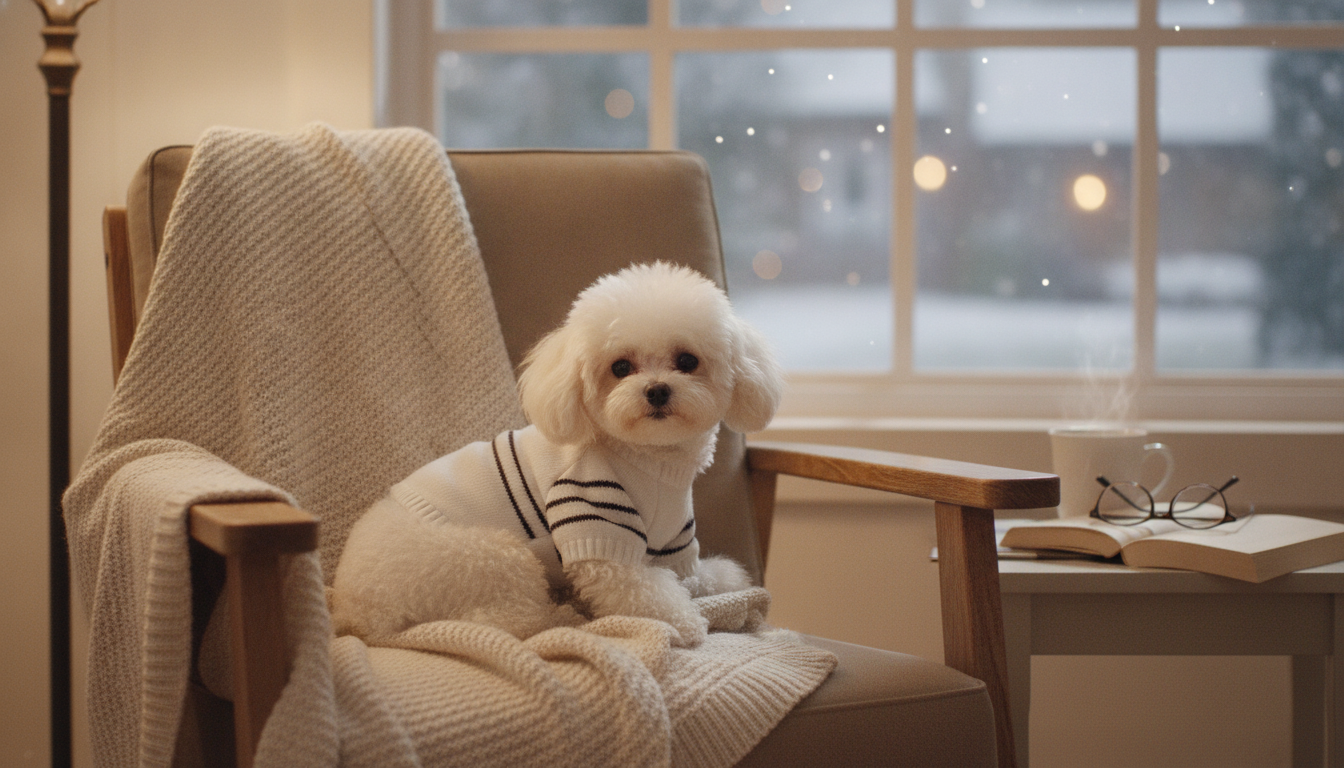
Small Dog Striped Cardigan Sweater: Cozy Layers for Chilly Walks
A lightweight cardigan can add warmth without restricting movement—especially for small dogs that cool down quickly. A striped cardigan sweater is designed for easy layering, everyday comfort, and a tidy look that works for quick potty breaks, neighborhood walks, and lounging indoors.
Unlike bulky outerwear, a cardigan-style knit focuses on gentle, flexible coverage across the torso, helping your dog stay comfortable when the temperature dips or the AC feels a little too strong. For general cold-weather precautions—especially when wind chill is involved—guidance from the American Kennel Club and the AVMA is a helpful baseline.
What Makes a Cardigan Sweater Practical for Small Dogs
- Easy on/off: Front-opening cardigan styles reduce tugging over the head and can be more comfortable for dogs that dislike pullover clothing.
- Layer-friendly fit: A cardigan can sit neatly over a thin base layer, or under a jacket when temperatures drop further.
- Comfort-first coverage: It adds warmth across the torso while allowing normal leg movement, which matters for small dogs with quick, short strides.
- Everyday versatility: Useful for brief outdoor trips and for indoor drafts from air conditioning or cool floors.
Style and Comfort Details to Look For
- Soft knit feel: Prioritize materials that feel smooth against the coat to reduce itchiness and static—especially on short-haired breeds.
- Stretch and recovery: Gentle elasticity helps the sweater sit close to the body without squeezing, and helps it keep its shape after washing.
- Neck and chest comfort: A comfortable neckline and chest area reduce rubbing during leash walks and typical stop-and-go sniffing.
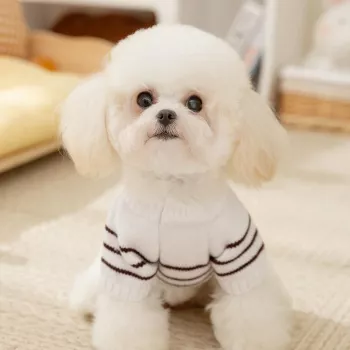
- Stripe placement and trim: Contrasting stripes can visually highlight fit. If stripes warp or pull, sizing may be too tight across the chest.
A good rule: the sweater should look “relaxed and tidy,” not stretched. If you see tension lines around the chest or the front leg openings, your dog may be between sizes—or may do better in a different cut.
Sizing and Fit Checklist (Before the First Walk)
- Measure chest girth at the widest point behind the front legs; this is often the most important measurement for sweaters.
- Measure back length from the base of the neck to the base of the tail; aim for coverage without blocking tail movement.
- Check neck opening: snug enough to stay put, loose enough to slide two fingers comfortably.
- Do a movement test: confirm full shoulder rotation, easy sitting/lying down, and no pulling under the armpits.
- If between sizes, choose the size that fits chest girth first, then adjust with layering.
Quick Fit Check After Dressing
| Fit Area | Good Fit Looks Like | Fix If Not |
|---|---|---|
| Chest | Fabric lies flat with no stretching lines | Size up if stripes pull or seams dig in |
| Armpits/Shoulders | Front legs move freely without rubbing | Try a different cut or size up if chafing occurs |
| Back Length | Covers torso while staying clear of tail | Size down if it bunches; size up if mid-back is exposed |
| Neckline | Two-finger space; stays in place | Adjust size if it slips down or feels tight |
When to Use a Sweater vs. a Heavier Coat
- Sweater weather: cool indoor environments, mild cold outdoors, breezy evenings, and quick walks where your dog stays active.
- Coat weather: windy, wet, or near-freezing conditions—consider a weather-resistant outer layer over the cardigan to cut wind and protect the knit.
- Extra caution: small, short-haired, senior, or very young dogs may need warmth sooner than medium/large breeds.
- Watch behavior: shivering, a tucked tail, pinned-back ears, or reluctance to walk can signal discomfort from cold.
If your dog is comfortable at the start of the walk but seems “done” quickly, it can be a sign that wind or dampness is getting through. In those cases, a layered setup (cardigan + outer shell) is often more effective than a single thick garment.
Care Tips to Keep Knitwear Looking New
- Brush off debris after walks (tiny burrs and grit) to prevent snagging and pilling.
- Wash gently in cold or cool water and avoid high-heat drying to preserve stretch and shape.
- Lay flat to dry when possible; reshape while damp to maintain the cardigan’s proportions.
- Store folded instead of hanging to reduce stretching at the shoulders.
Featured Pick: Small Dog Striped Cardigan Sweater
If you want a simple layer that looks put-together and feels easy for everyday use, the Small Dog Striped Cardigan Sweater is a practical addition to a cold-weather routine. The cardigan format supports quick on/off, and the striped styling makes it easy to spot when the fit is just right (smooth stripes) versus too snug (pulled or warped stripes).
At-a-Glance
| Product | Small Dog Striped Cardigan Sweater |
| Price | 10.51 USD |
| Availability | In stock |
| Product page | https://liliana.top/small-dog-striped-cardigan-sweater/ |
More In-Stock Picks for Cold-Weather Errands (For You)
- Off-White Cotton Script Skate Hoodie for warm, casual layering on brisk mornings.
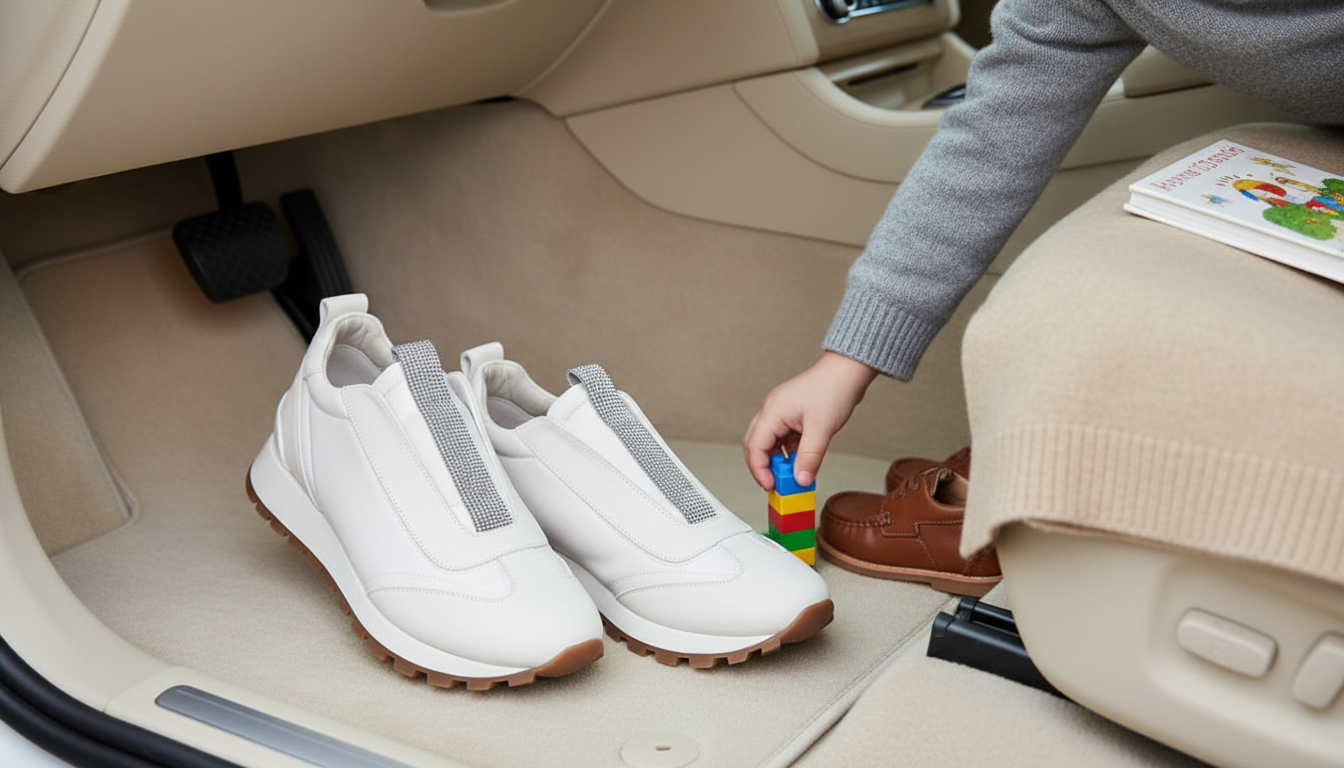
- Fendi Match Embossed Sneakers in Nude Pink for comfortable, walk-friendly styling.
- Jacquemus Le Chiquito Moyen Leather Handbag to keep essentials handy on short outings.
FAQ
Can a small dog wear a sweater all day indoors?
Generally yes if your dog stays comfortable and doesn’t overheat. Watch for panting, restlessness, or repeated attempts to remove it, and remove the sweater for sleep if it twists or your dog tends to chew clothing.
How tight should a dog cardigan sweater fit?
It should be snug but not compressive—aim for two-finger space at the neckline and no pulling at the chest or armpits. The fabric should lie flat without stretched stripes or seam marks on the coat.
Is a sweater enough for winter walks?
It depends on temperature, wind, and your dog’s size and coat. In very cold, windy, or wet conditions, layer a weather-resistant jacket over the sweater and keep outdoor time shorter.







Leave a comment